When it comes to skincare, one of the biggest mistakes people make is treating all skin the same. What works perfectly for oily skin can completely ruin dry skin—and vice versa.This is where most confusion begins. You try a product that worked wonders for someone else, but instead of glowing skin, you end up with breakouts, irritation, or dryness.The reason is simple:
your skin type determines everything
—from the products you use to how often you use them.In this guide, we'll break down the difference between oily and dry skin, what each type needs, and how to build a routine that actually works.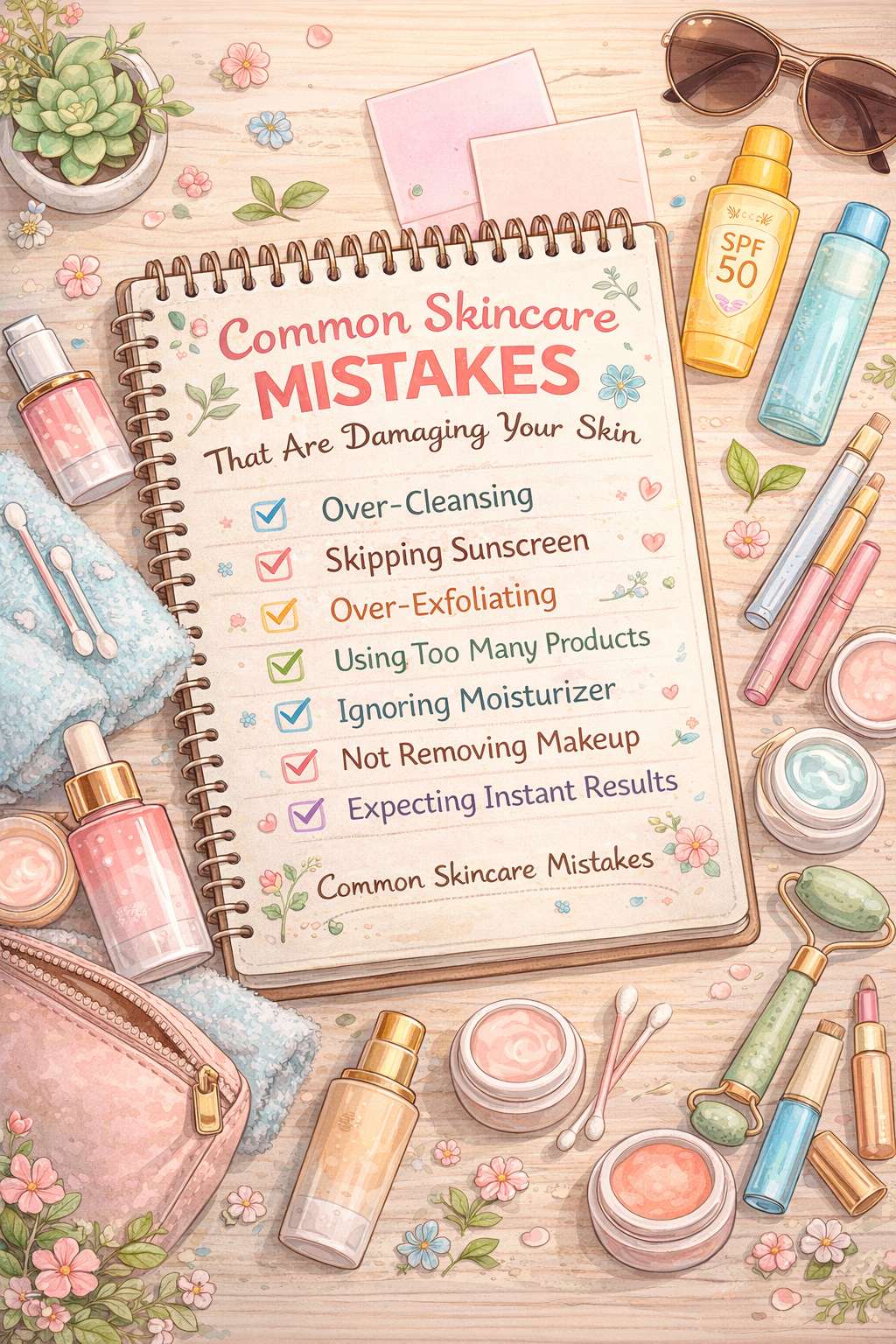
Understanding the Basics of Skin Types
What Is Oily Skin?
Oily skin produces excess sebum (natural oil), which can make the face look shiny, especially around the forehead, nose, and chin.
What Is Dry Skin?
Dry skin lacks moisture and natural oils, making it feel tight, rough, or flaky.
Why Knowing This Matters
If you treat oily skin like dry skin—or dry skin like oily—you're more likely to make the problem worse instead of better.
Signs of Oily vs. Dry Skin
Oily Skin Signs
- Shiny appearance, especially during the day
- Frequent breakouts or clogged pores
- Makeup doesn't stay in place
Dry Skin Signs
- Tight feeling after washing
- Flaky or rough texture
- Dull appearance
- Makeup looks patchy
Recognizing these signs helps you choose the right approach instead of guessing.
Skincare Routine for Oily Skin
1. Gentle Cleansing
Oily skin needs cleansing—but not aggressive cleansing. Harsh products can strip your skin, causing it to produce even more oil.
What to do:
Use a mild cleanser twice daily to control oil without over-drying.
2. Lightweight Moisturizing
Skipping moisturizer is a common mistake for oily skin.
Why it backfires:
Your skin produces more oil when it lacks hydration.
Better option:
Use a lightweight, oil-free moisturizer.
3. Controlled Exfoliation
Exfoliation helps unclog pores, but overdoing it can irritate your skin.
Ideal approach:
Exfoliate 1–2 times a week with gentle products.
4. Use Non-Comedogenic Products
Always choose products that don't clog pores.
Why it matters:
Heavy products can lead to breakouts and excess oil buildup.
Skincare Routine for Dry Skin
1. Hydrating Cleansing
Dry skin needs gentle, hydrating cleansers that don't strip natural oils.
What to avoid:
Foaming or harsh cleansers that leave your skin feeling tight.
2. Rich Moisturizing
Moisturizer is essential for dry skin—not optional.
What works best:
Use thicker creams that lock in moisture and repair your skin barrier.
3. Minimal Exfoliation
Dry skin is more sensitive and doesn't need frequent exfoliation.
Better approach:
Exfoliate occasionally and gently.
4. Focus on Hydration
Use products that add and retain moisture.
Simple tip:
Layer hydration—serum first, then moisturizer.
Common Mistakes People Make
Treating Oily Skin Too Harshly
Using strong products can trigger more oil production instead of reducing it.
Ignoring Moisturizer
Both skin types need hydration—just in different forms.
Copying Other People's Routines
Your skin is unique. What works for someone else may not work for you.
Comparison Table: Oily vs Dry Skin Care
| Cleansing | Gentle, oil-controlling cleaner | Hydrating, mild cleanser |
| Moisturizing | Lightweight, oil-free | Rich, nourishing cream |
| Exfoliation | 1–2 times weekly | Occasional, gentle |
| Product Type | Non-comedogenic | Hydrating and soothing |
| Common Issue | Breakouts and shine | Flakiness and tightness |
| Focus | Oil control + balance | Moisture retention + repair |
Pros and Cons of Each Skin Type
Oily Skin
Pros:
- Slower signs of aging
- Naturally more hydrated
- Less prone to fine lines
Cons:
- Frequent breakouts
- Excess shine
- Enlarged pores
Dry Skin
Pros:
- Less acne and breakouts
- Smoother appearance when hydrated
- Smaller pores
Cons:
- Prone to flakiness
- Feels tight or uncomfortable
- More visible signs of aging
Can You Have Combination Skin?
The Reality
Yes, many people don't fall strictly into oily or dry categories. Combination skin usually means oily areas (like the T-zone) and dry areas elsewhere.
What to Do
Treat different areas differently:
- Use lightweight products on oily areas
- Use richer products on dry areas
Small Habits That Help Both Skin Types
Regardless of your skin type, some habits benefit everyone:
- Drink enough water
- Avoid touching your face frequently
- Use sunscreen daily
- Keep your routine consistent
These simple actions support overall skin health.
Final Thoughts
Understanding your skin type is one of the most important steps in skincare. Without it, even the best products won't give you the results you want.Oily skin needs balance—not harsh treatment. Dry skin needs hydration—not neglect. Once you start treating your skin according to its needs, you'll notice real improvements.Instead of chasing trends or copying routines, focus on what your skin is telling you. Pay attention, stay consistent, and keep things simple.At the end of the day,
good skincare isn't about doing more—it's about doing what's right for your skin
.
'Skincare' 카테고리의 다른 글
| Easy Makeup Tips for a Natural Everyday Look (0) | 2026.04.06 |
|---|---|
| Best Tips to Remove Acne and Prevent Breakouts (0) | 2026.04.06 |
| Best Tips to Remove Acne and Prevent Breakouts (0) | 2026.04.06 |
| Best Tips to Remove Acne and Prevent Breakouts (0) | 2026.04.06 |
| 10 Essential Steps for a Healthy Daily Skincare Routine (0) | 2026.03.13 |